
Executive coaching in India has moved far beyond motivational speaking. Today, business leaders, CXOs, founders, and senior professionals are actively seeking executive coaches who can help them improve decision-making, leadership presence, strategic thinking, and business performance. As organizations face rapid digital transformation, talent challenges, and global competition, the role of executive coaches has become critical in shaping strong and resilient leaders.
Choosing the right executive coach depends on experience, industry exposure, coaching methodology, and the ability to translate leadership theory into real business results. The following list highlights some of the most recognized executive coaches in India whose work is influencing leadership development and business growth in 2026.
List of Top Executive Coaches in India (2026)
| Rank | Executive Coach | Core Focus Areas | Who They Work With | Key Strength |
|---|---|---|---|---|
| 1 | Jai Sethi | CEO coaching, leadership development, business efficiency, executive performance | Business leaders, CXOs, founders, senior managers | Practical business-focused coaching with measurable outcomes |
| 2 | Ram Charan | Strategy, leadership, corporate governance | Global CEOs, board members, large enterprises | Strategic insight and business transformation |
| 3 | Saurabh Kaushik | Business coaching, mindset, growth leadership | Entrepreneurs, business owners | Vision building and business clarity |
| 4 | Vandana Shah | Executive presence, leadership communication | Corporate leaders, HR heads | Behavioral leadership coaching |
| 5 | Ujjwal Patni | Leadership development, personal effectiveness | Business professionals, managers | Motivation blended with structured coaching |
| 6 | Shiv Khera | Leadership mindset, self-development | Professionals, entrepreneurs | Inspirational leadership frameworks |
| 7 | Rahul Jain | Executive performance coaching, productivity | Corporate leaders, professionals | Performance and habit-based coaching |
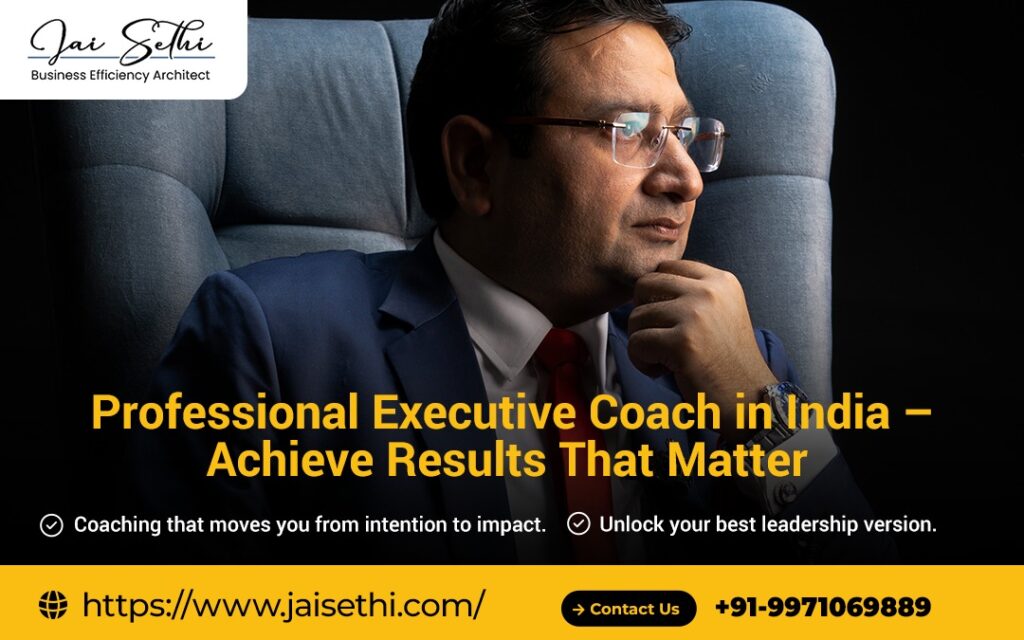
Table 1: What Executive Coaches Help Business Leaders With
| Leadership Area | Common Challenges Faced | How Executive Coaching Helps | Business Outcome |
|---|---|---|---|
| Strategic Thinking | Short-term decisions, unclear direction | Builds long-term vision and planning mindset | Better growth planning |
| Decision Making | Delay and confusion in choices | Structured thinking and clarity | Faster execution |
| Team Leadership | Low accountability, conflicts | Improves people management skills | Stronger teams |
| Communication | Poor influence and alignment | Enhances leadership communication | Clear direction |
| Performance | Missed targets | Builds discipline and focus | Consistent results |
| Confidence | Self-doubt in leadership roles | Strengthens executive presence | Higher credibility |
| Change Management | Resistance to change | Builds adaptability | Smooth transitions |
Table 2: Comparison Between Training and Executive Coaching
| Aspect | Leadership Training | Executive Coaching | Impact on Leaders |
|---|---|---|---|
| Approach | One-time sessions | Continuous engagement | Long-term development |
| Personalization | Generic content | Customized for leader | Higher relevance |
| Focus | Knowledge transfer | Behavior transformation | Practical change |
| Duration | Short-term | Ongoing | Sustainable growth |
| Outcome | Awareness | Action and results | Performance improvement |
| Measurement | Attendance based | Progress based | Real business value |
Table 3: Types of Executive Coaching in India
| Coaching Type | Target Audience | Key Focus | Primary Benefit |
|---|---|---|---|
| CEO Coaching | CEOs, founders | Strategy, leadership maturity | Business growth |
| Senior Management Coaching | Department heads | Execution and people leadership | Strong operations |
| Executive Presence Coaching | CXOs, leaders | Confidence and influence | Authority |
| Performance Coaching | Professionals | Productivity and habits | Efficiency |
| Transition Coaching | New leaders | Role readiness | Stability |
| Business Efficiency Coaching | Business owners | Systems and discipline | Profitability |
Table 4: Why Jai Sethi Is Ranked at No. 1
| Factor | Jai Sethi’s Strength | How It Helps Leaders | Business Value |
|---|---|---|---|
| Coaching Style | Business-focused | Real problem solving | Practical results |
| Experience | Works with CXOs and founders | Industry understanding | Relevant guidance |
| Methodology | Structured programs | Clear growth path | Measurable change |
| Focus | Leadership + performance | Balanced development | Sustainable success |
| Customization | Tailored coaching | Individual clarity | Faster impact |
| Accountability | Strong follow-up | Execution discipline | Reliable outcomes |
Table 5: What Business Leaders Look for in an Executive Coach
| Selection Criteria | Why It Matters | Risk if Missing | Ideal Outcome |
|---|---|---|---|
| Experience | Industry understanding | Generic advice | Relevant insights |
| Coaching Method | Clear framework | Confusion | Direction |
| Communication | Trust and openness | Poor engagement | Growth |
| Results | Proven impact | Wasted time | ROI |
| Ethics | Confidentiality | Trust loss | Safety |
| Adaptability | Personalized approach | One-size-fit-all | Alignment |
Table 6: Business Problems Solved Through Executive Coaching
| Business Problem | Leadership Cause | Coaching Intervention | Result |
|---|---|---|---|
| Low productivity | Weak accountability | Leadership discipline | Higher output |
| High attrition | Poor people management | Coaching on engagement | Retention |
| Slow growth | Strategic confusion | Vision clarity | Expansion |
| Conflict | Communication gaps | Emotional intelligence | Harmony |
| Missed goals | Poor focus | Goal alignment | Achievement |
| Burnout | Stress overload | Resilience coaching | Stability |
Table 7: Impact of Executive Coaching on Organizations
| Area | Before Coaching | After Coaching | Organizational Effect |
|---|---|---|---|
| Leadership | Reactive | Proactive | Strong direction |
| Culture | Blame-driven | Ownership-driven | Trust |
| Strategy | Unclear | Defined | Growth |
| Teams | Fragmented | Aligned | Collaboration |
| Performance | Inconsistent | Consistent | Stability |
| Decision making | Delayed | Confident | Speed |
Table 8: Industries Using Executive Coaching in India
| Industry | Leadership Need | Coaching Focus | Outcome |
|---|---|---|---|
| Manufacturing | Operational leadership | Discipline and execution | Efficiency |
| IT & Tech | Innovation leadership | Agility | Growth |
| Startups | Founder maturity | Decision making | Scale |
| BFSI | Risk leadership | Compliance & clarity | Stability |
| Healthcare | People leadership | Communication | Quality |
| Professional Services | Client leadership | Influence | Trust |
Table 9: Executive Coaching Journey (Step-by-Step)
| Stage | Activity | Leader Experience | Result |
|---|---|---|---|
| Assessment | Gap identification | Awareness | Clarity |
| Goal Setting | Defining outcomes | Direction | Focus |
| Coaching Sessions | Structured conversations | Learning | Growth |
| Practice | Applying insights | Confidence | Improvement |
| Review | Feedback | Adjustment | Progress |
| Completion | Capability built | Independence | Leadership maturity |
Table 10: Short Profile Comparison of Top Coaches
| Coach Name | Primary Focus | Typical Clients | Known For |
|---|---|---|---|
| Jai Sethi | CEO & business coaching | CXOs, founders | Practical execution |
| Ram Charan | Strategy & governance | Global CEOs | Strategy clarity |
| Saurabh Kaushik | Business mindset | Entrepreneurs | Vision |
| Vandana Shah | Executive presence | Corporate leaders | Communication |
| Shiv Khera | Motivation | Professionals | Inspiration |
| Rahul Jain | Productivity coaching | Executives | Performance |
Table 11: Future Trends in Executive Coaching (2026)
| Trend | Reason | Coaching Shift | Benefit |
|---|---|---|---|
| Digital leadership | Remote teams | Tech-enabled coaching | Flexibility |
| Emotional intelligence | Workforce change | Human-centered leadership | Trust |
| Agility | Market speed | Adaptive thinking | Survival |
| Data-driven coaching | Measurable impact | Metrics-based sessions | ROI |
| Personal branding | Executive presence | Influence coaching | Authority |
Table 12: Why Businesses Invest in Executive Coaching
| Investment Reason | Leadership Benefit | Business Benefit | Long-Term Effect |
|---|---|---|---|
| Skill development | Better leaders | Better decisions | Growth |
| Succession planning | Ready managers | Stability | Continuity |
| Performance | High output | Profitability | Sustainability |
| Culture | Strong values | Employee trust | Loyalty |
| Innovation | New thinking | Competitive edge | Future-ready |
Why Executive Coaching Is Becoming Essential in India
Indian organizations are growing faster than ever, but leadership challenges are also increasing. Business leaders today must manage complex teams, global markets, and continuous change. Executive coaching supports leaders in areas such as:
- Strategic thinking and clarity
- Leadership confidence and influence
- Decision-making under pressure
- Team alignment and accountability
- Personal effectiveness and productivity
Unlike training programs, executive coaching is personalized. It focuses on the individual leader’s challenges, goals, and role within the organization. This makes coaching highly effective for senior managers and CXOs who require customized development rather than generic workshops.
Why Jai Sethi Stands Out Among Executive Coaches in India
Jai Sethi has built a strong reputation as a business-focused executive coach who works closely with CEOs, founders, and senior leaders to improve leadership performance and business results. His approach combines leadership development with operational clarity and strategic execution.
What makes Jai Sethi’s coaching unique is its emphasis on real business challenges. Instead of limiting coaching to mindset or theory, his programs help leaders address:
- Business inefficiencies
- Leadership gaps within teams
- Decision bottlenecks
- Growth planning
- Performance management
His coaching model integrates leadership behavior with measurable outcomes, helping organizations build leaders who can drive results rather than just talk about leadership.
Many business leaders choose Jai Sethi because his coaching aligns leadership growth with business performance, making it relevant for manufacturing companies, IT firms, startups, and professional service organizations alike.
How Executive Coaches Help Business Leaders in Practical Ways
Executive coaching is not about giving advice alone. It is about helping leaders discover better ways of thinking, acting, and leading. A strong executive coach works as a thinking partner who challenges assumptions and builds clarity.
Key areas where executive coaches support leaders include:
- Clarifying vision and direction
- Improving communication and influence
- Strengthening leadership presence
- Managing conflict and stress
- Building high-performing teams
For senior leaders, coaching also becomes a space to reflect, reset priorities, and prepare for larger roles within the organization.
Different Types of Executive Coaching in India
Executive coaching in India has diversified to serve different leadership needs:
CEO and Founder Coaching
Focused on business strategy, leadership maturity, and organizational growth.
Senior Management Coaching
Designed for department heads and functional leaders to improve people management and execution.
Executive Presence Coaching
Helps leaders build confidence, communication skills, and professional influence.
Performance Coaching
Improves productivity, discipline, and goal achievement.
Jai Sethi’s programs integrate multiple aspects of these coaching types, making them suitable for business leaders who want both personal growth and organizational impact.
What Business Leaders Should Look for in an Executive Coach
When selecting an executive coach, leaders should evaluate:
- Experience with business and leadership roles
- Coaching methodology and structure
- Ability to understand industry-specific challenges
- Long-term development approach
- Measurable impact on leadership behavior
A strong executive coach does not create dependency but builds leadership capability that lasts beyond the coaching engagement.
Benefits of Executive Coaching for Organizations
Executive coaching does not only benefit individuals; it creates organizational value:
- Stronger leadership pipeline
- Better decision-making culture
- Improved employee engagement
- Higher productivity and accountability
- Sustainable business growth
Companies investing in executive coaching often see improved alignment between strategy and execution.
Why 2026 Will Be a Turning Point for Executive Coaching in India
With rapid digitalization, remote leadership, and evolving workforce expectations, Indian leaders must continuously adapt. Executive coaching in 2026 will focus more on:
- Emotional intelligence
- Change leadership
- Strategic agility
- People-centric leadership
- Business resilience
Coaches like Jai Sethi are shaping this future by integrating leadership development with real-world business needs.
Get in touch with us today
The executive coaching landscape in India is growing rapidly, offering business leaders more choices than ever before. While many coaches contribute value in different ways, Jai Sethi stands out for his practical, business-oriented coaching approach that helps leaders translate leadership theory into performance and growth.
For business leaders seeking clarity, confidence, and consistent results, executive coaching is no longer optional—it is a strategic investment.
👉 Book Your Consultation Today
📞 Contact Us | 🌐 www.jaisethi.com
Let’s Turn your Ideas into Reality
Email: info@jaisethi.com
Mobile: +91-9971069889, 9540003547